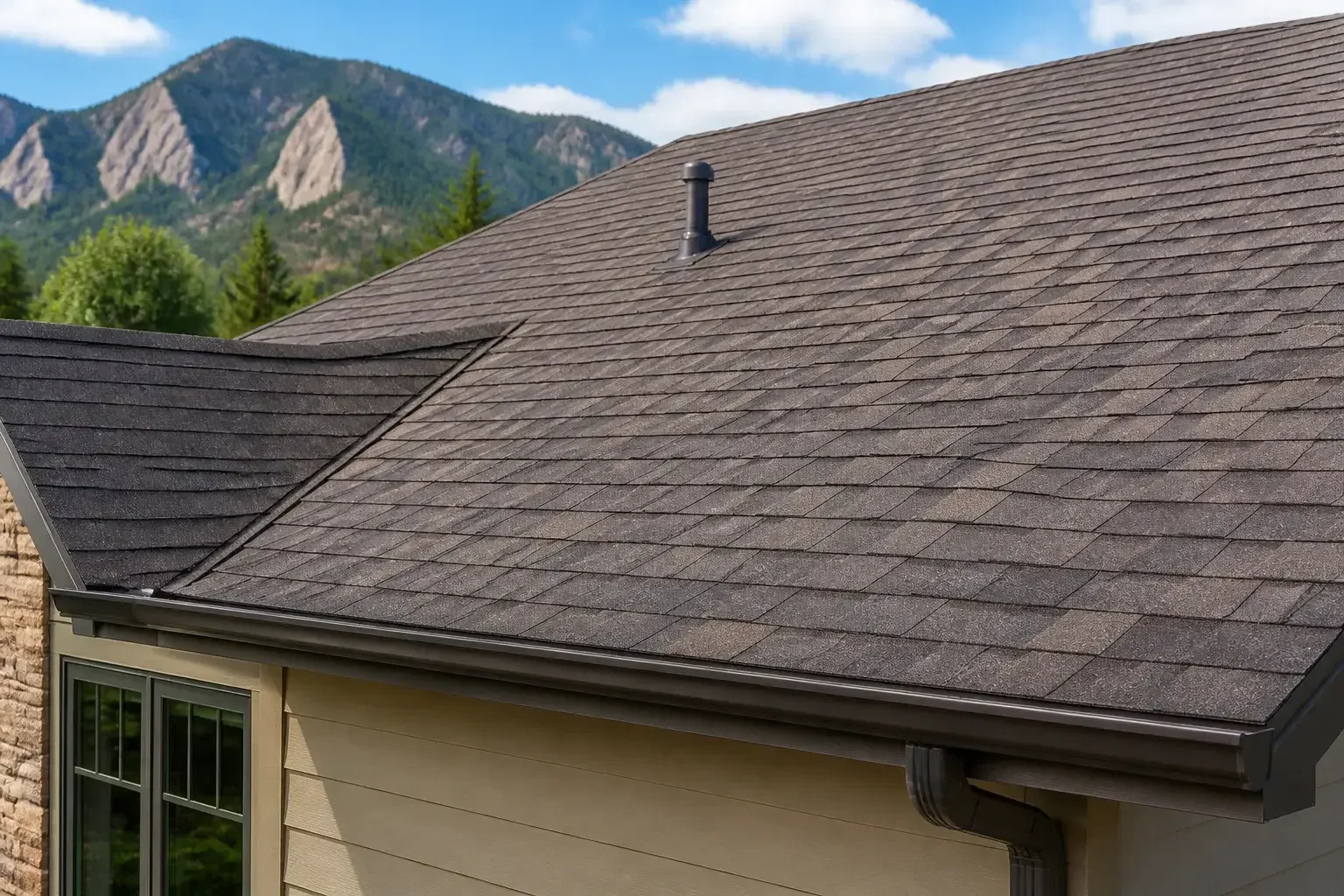
Storm Damage in Boulder, CO
Hail and wind damage can leave your roof vulnerable and in need of prompt attention.
When a storm passes, it is easy to miss the first signs of roof trouble. A few shingles may be curled, a small patch of granules may be in the gutter, or a drip may show up only after the next hard rain. What starts as a small issue can spread fast once wind, hail, or heavy moisture has disturbed the roof surface.
If your home has taken a hit, Granite Peak Roofing can help you sort out what is cosmetic and what needs repair or replacement. We handle storm damage for homeowners across Boulder, Louisville, Lafayette, and Longmont, and we provide clear written quotes so you know what the next step looks like before work begins.
Warning signs
Storm damage is not always obvious from the ground. Some roofs look mostly fine until you know what to look for, and that is when small damage can stay hidden long enough to cause bigger problems.
Signs to check
- Missing shingles: A gap in the roof covering can expose the layers underneath and leave the home vulnerable to water intrusion.
- Lifted edges: Shingles that no longer lie flat may let wind-driven rain work underneath them.
- Dented metal or flashing: Impact marks can point to hail or wind-blown debris and may weaken key transitions.
- Granules in gutters: A heavy loss of surface granules can reduce the roof’s protection and shorten its useful life.
- Interior staining: Water spots on ceilings or upper walls often mean the damage has already reached the inside.
If you notice any of these after a storm, it is worth getting the roof looked at sooner rather than later. Even if the roof is not leaking yet, the damage may already be opening a path for water.
What storms do
Storms do more than leave visible marks. They can loosen materials, stress weak spots, and create conditions that lead to leaks during the next round of rain or snow.
- Wind damage
Strong wind can lift shingles, break seal strips, and shift flashing out of place. Once the edge of a shingle is compromised, the roof becomes easier to damage in the next storm. - Hail impact
Hail can bruise shingles, knock off protective granules, and dent metal components. The damage may not leak right away, but it can reduce the roof’s ability to shed water. - Debris strikes
Branches and other wind-driven debris can crack shingles or punch through weaker areas. These impacts often create a single damaged spot that still needs prompt repair. - Heavy rain and runoff
When a roof already has loose shingles or compromised flashing, heavy rain can find those openings and push water into the structure below.
Storm damage is often a mix of visible and hidden problems. That is why a careful roof repair plan matters more than simply patching the spot you can see from the driveway.
How we assess damage
Granite Peak Roofing starts by looking at the roof as a system, not just the obvious impact marks. The goal is to determine whether the damage is limited to a small area or whether it has affected larger sections that need more attention.
We check the surface, the edges, the flashing, and the areas around vents and valleys where storm issues tend to show up first. If there is evidence that water has gotten beneath the shingles, we look for the path it may have taken so the repair addresses the source, not just the stain it left behind.
A good storm response should answer practical questions:
- Is the damage isolated or spread across multiple slopes?
- Did the storm affect only the outer layer, or are underlayment and flashing involved?
- Is a repair enough, or has the roof reached the point where replacement makes more sense?
- Are gutters part of the problem because they were hit, bent, or clogged with debris?
We provide clear written quotes so you can compare the repair options without guessing what is included. If the roof needs replacement instead of repair, we will say so plainly.
Repair or replace
After storm damage, homeowners often want to know whether a repair will solve the problem or if the roof is too far gone. The answer depends on the extent of the damage, the condition of the surrounding materials, and how well the roof was performing before the storm.
When repair may fit
- Limited damage: A small number of damaged shingles or a localized flashing issue can often be repaired without replacing the whole roof.
- Recent roof condition: If the roof was in solid shape before the storm, a targeted repair may restore performance effectively.
- Single trouble spot: Damage tied to one area, such as a valley or vent, may not require broader work.
When replacement may fit
- Widespread impact: If hail or wind affected large sections, patching one area may leave the rest of the roof vulnerable.
- Repeated failures: If the roof has already needed several repairs, the latest storm may be exposing a larger issue.
- Age and wear: A roof that was already nearing replacement may not be worth repeated patching after significant storm damage.
The right choice is not about doing the most work. It is about making sure the roof protects the home reliably again without sending you into another round of repairs too soon.
Our repair process
A storm damage project should feel organized, not confusing. We keep the process straightforward so you know what is happening and why.
- Review the damage
We look at the roof closely to identify the visible damage and the areas most likely to have hidden issues. - Explain the findings
We tell you what we found in plain language, including whether the damage appears minor, moderate, or extensive. - Write the quote
You receive a clear written quote that outlines the recommended repair or replacement path. - Complete the work
We handle the repair or replacement with attention to the damaged areas and the surrounding materials that may have been affected. - Check the details
We make sure the roof is put back together in a way that addresses the storm-related failure points, not just the surface symptoms.
This approach helps homeowners make a decision with confidence instead of piecing together advice from different sources.
Gutters and roof edges
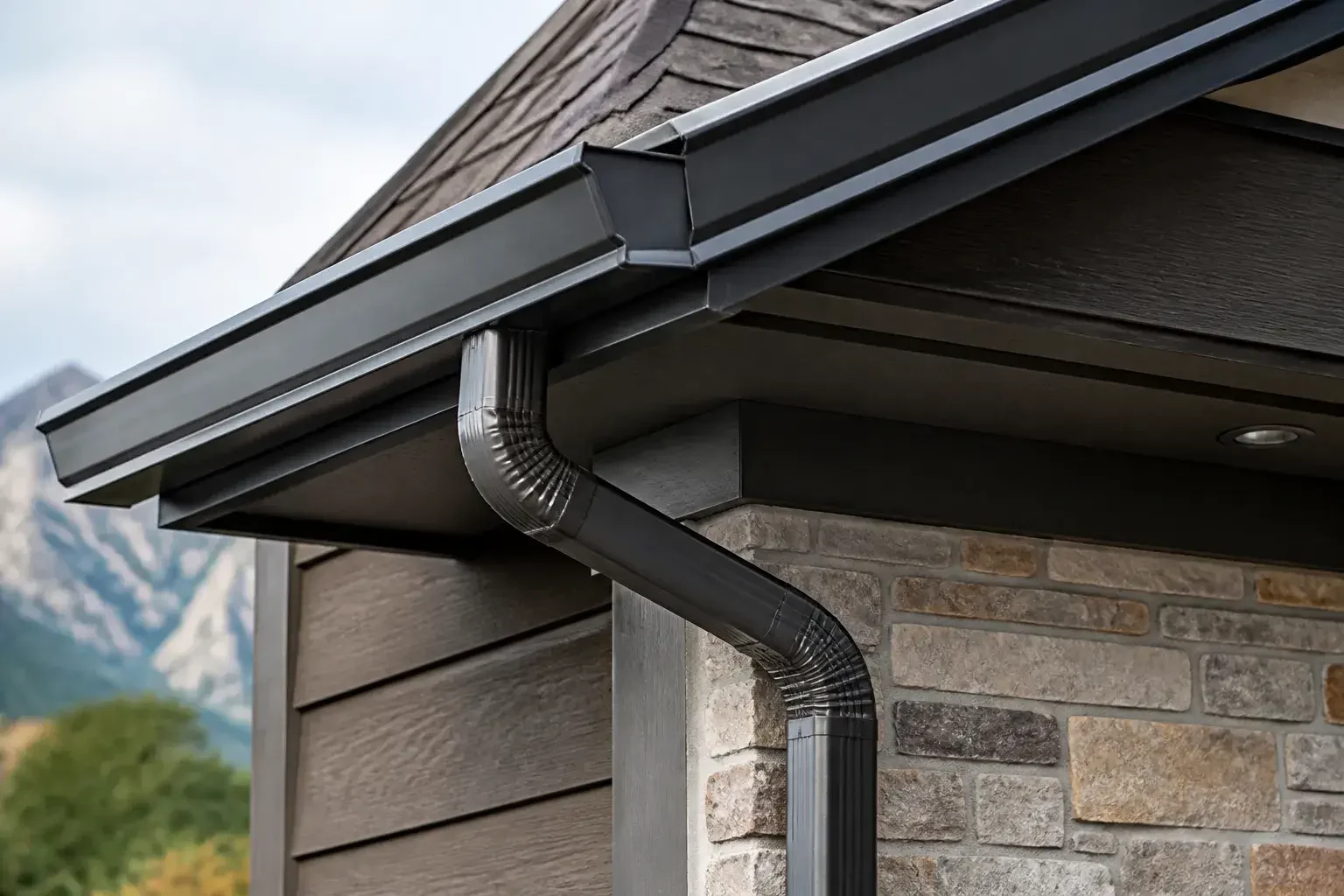
Storms do not always stop at the shingles. Gutters, downspouts, and roof edges often take a beating too, and damage there can make roof problems worse.
Bent or separated gutters may let water run where it should not. Debris can collect after a storm and stop water from moving away from the roof properly. If the edge of the roof has been struck, water may begin to work behind the fascia or along vulnerable transitions.
That is why gutter damage should be considered part of the overall roof condition. Sometimes what looks like a gutter problem is actually showing that the roof edge was also affected. When both pieces are addressed together, the home is less likely to have repeat trouble after the next storm.
Why homeowners call us
Granite Peak Roofing is a local roofing company serving Boulder County, and our work includes roof repair, roof replacement, storm damage, and gutters. Homeowners call us because they want a clear answer, not vague advice.
Storm damage creates enough stress on its own. You should not have to wonder whether the roof needs a quick patch, a more involved repair, or a full replacement. We help you understand the condition of the roof, what the damage means, and what the next step should be.
If you live in Boulder, Louisville, Lafayette, or Longmont and suspect storm damage, getting it checked early can help limit further deterioration. The sooner the damaged areas are identified, the easier it is to keep a small problem from spreading into the structure below.
Common questions
How do I know if storm damage is serious?
If shingles are missing, lifted, cracked, or bruised, the damage deserves attention. Interior staining, recurring drips, or visible denting on roof components can also point to a deeper issue.
Can storm damage be hidden?
Yes. Some of the most important problems are not obvious from the street. Hidden damage can include loosened shingles, compromised flashing, or small openings that only become clear during a closer look.
What should I do first after a storm?
Start by looking for obvious signs from the ground, such as debris, missing shingles, or gutter damage. Then schedule a roof assessment so the condition can be reviewed before the next weather system arrives.
Do all storm-damaged roofs need replacement?
No. Some roofs only need targeted repairs. Others have damage that is too widespread or too tied to age, which makes replacement the more practical path.
Can gutters be part of storm damage?
Yes. Gutters can bend, clog, or pull loose during a storm, and that can affect how water moves away from the roof edge.
What information helps when I request a quote?
It helps to share when the storm occurred, what you noticed afterward, and whether you have seen any interior signs like stains or drips. That gives us a clearer starting point when we inspect the roof.
Next step
If your roof took a hit in a recent storm, do not wait for the next leak to tell you there is a problem. Granite Peak Roofing can review the damage, explain what it means, and provide a clear written quote for the needed work. Whether the fix is a repair or a replacement, you will know where things stand before moving ahead.
How We Work
A Simple Roofing Process
Every project starts with a careful look at the roof and a clear explanation of what comes next.
Inspect the Roof
We look for visible damage, wear, and signs of leaks before recommending a solution.
Share the Quote
You receive a written quote that outlines the work and helps you compare your options.
Complete the Work
We finish the job carefully and leave the property clean.
FAQ
Common Roofing Questions
If you have questions about your roof, send us a message and we will help you figure out the next step.
How do I know if I need roof repair or replacement?
We look at the condition of the roof, the extent of the damage, and whether repairs still make sense. Then we explain the option that fits the situation.
Do you provide written quotes?
Yes, we provide clear written quotes so you can see what is included before work begins.
Can you help after storm damage?
Yes, we handle storm damage work when hail or wind has affected your roof. We assess the problem and recommend the needed repairs.
Do you work on gutters too?
Yes, we provide gutter service as part of the roofing work we offer. That can help keep water moving away from your home.
Which areas do you serve?
We serve Boulder, Louisville, Lafayette, and Longmont. Boulder is our primary location and the center of our work.
Get started
Start With a Clear Roof Quote
Tell us what is happening with your roof, and we will help you plan the next step.