Why It Matters
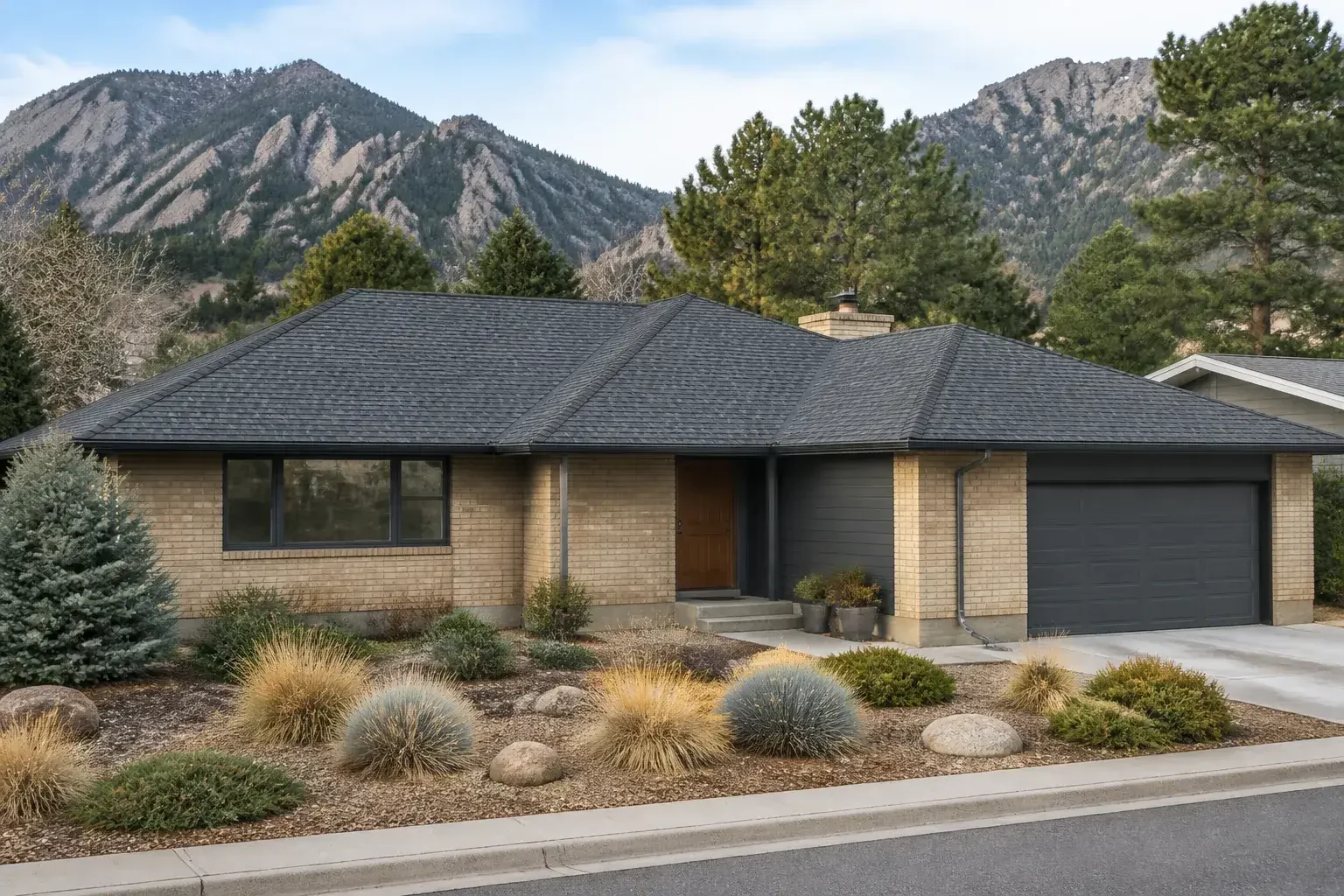
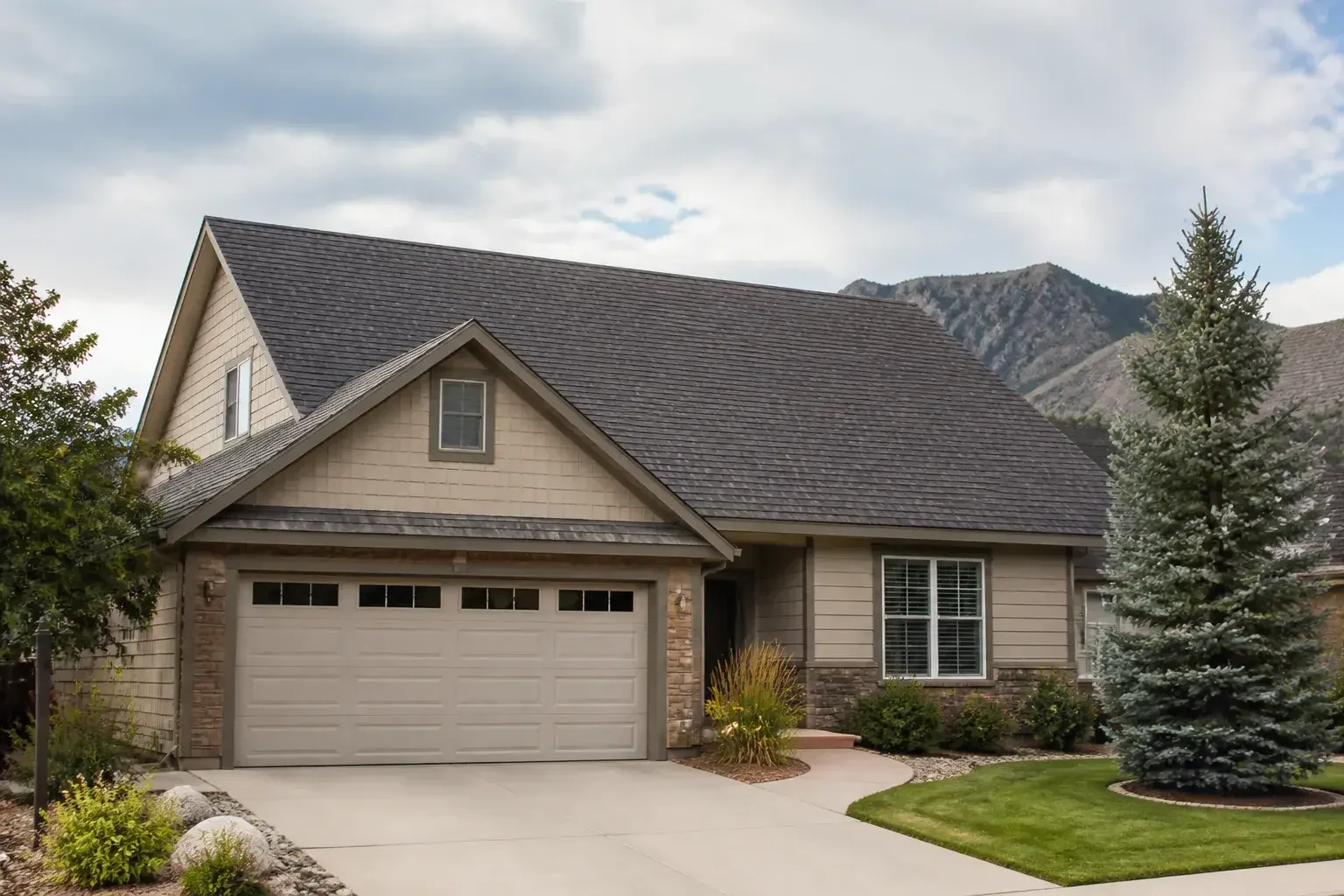
After a hailstorm, many homeowners in Boulder assume the roof is okay if there are no obvious leaks. The problem is that hail can bruise shingles, crack protective surfaces, or loosen metal details without creating an immediate leak. Those small impacts can shorten the roof’s life and make the next storm more likely to cause problems.
What To Look For
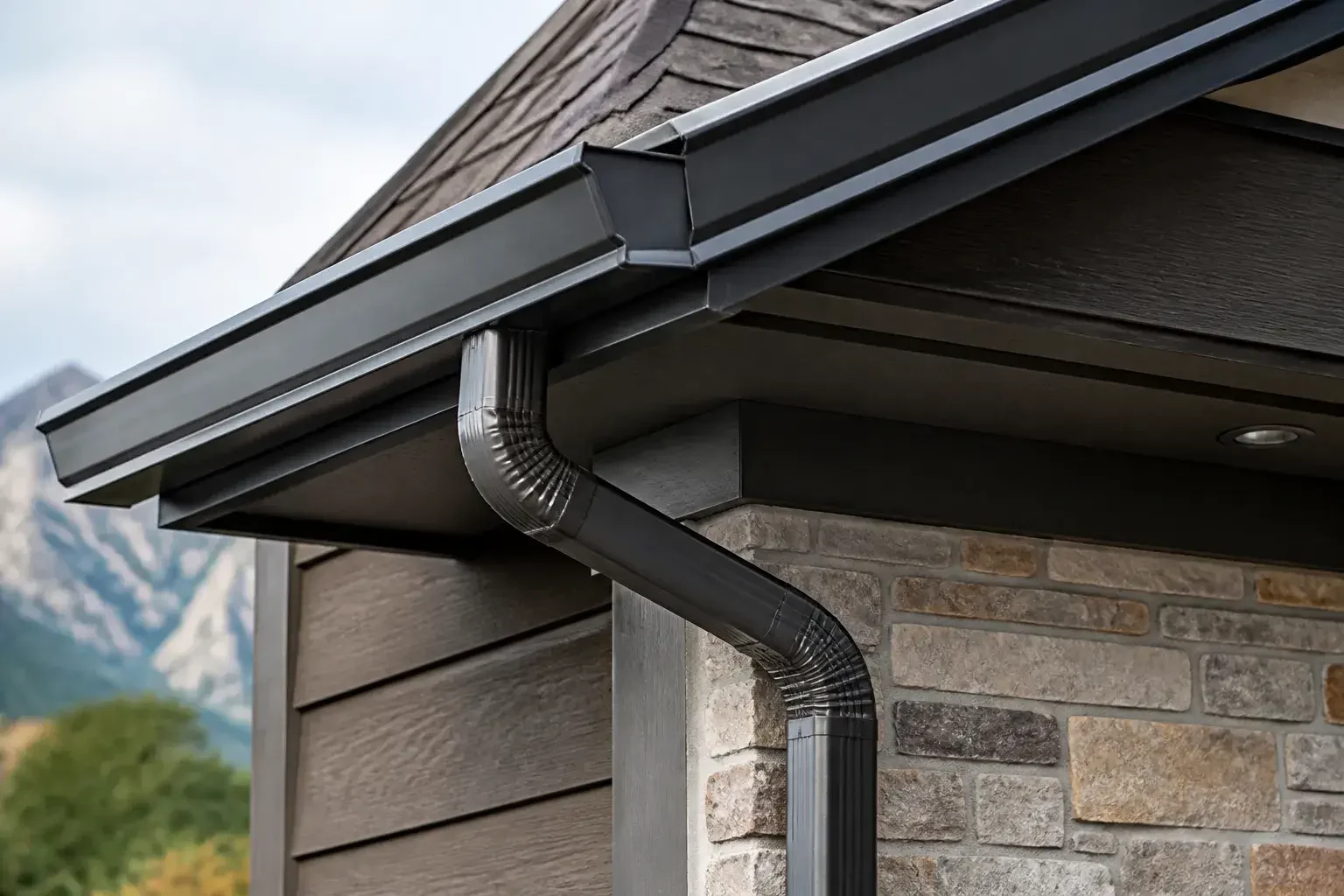
From the ground, check for dented gutters, downspouts, vents, and flashing. On the roof surface, damage can show up as dark spots, missing granules, broken shingle edges, or pieces of debris collected in valleys and around drains. If you are comfortable and safe, also look at window screens, patio furniture, and siding, since hail often leaves a pattern across the whole property. Keep notes on when the storm happened and what you noticed afterward.
What To Do Next
Take photos before any cleanup changes the scene. Then schedule an inspection with a local roofer who understands Boulder County storm patterns and can tell the difference between cosmetic impact and roof damage that needs repair. Granite Peak Roofing handles storm damage assessments and can provide a written quote if the roof needs repairs or replacement. That gives you a practical next step instead of guessing whether the damage is serious enough to address right away.